Our Research
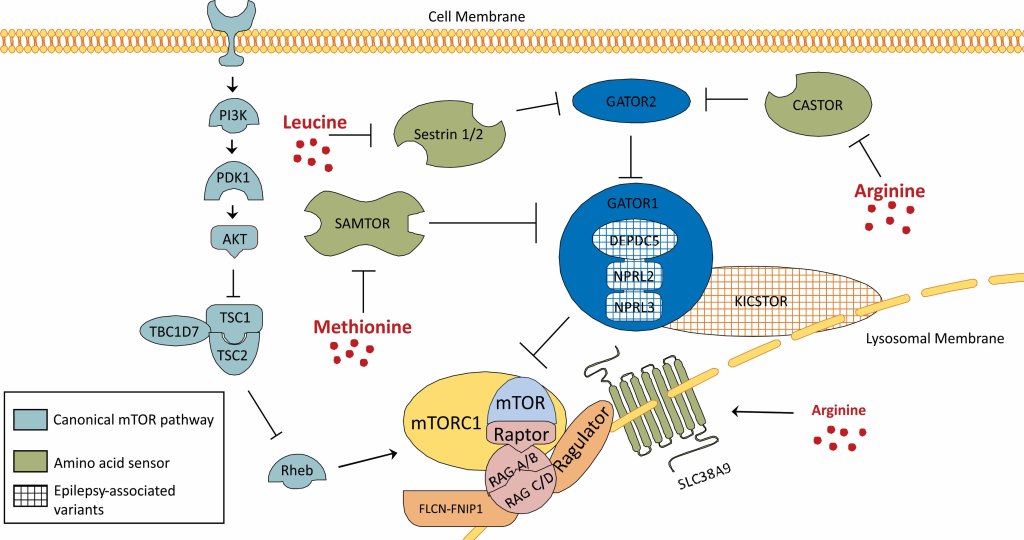
Our lab focuses on defining disease mechanisms in cortical malformations and epilepsy. Of particular interest to us are cortical malformations caused by genetic variants within the mTOR pathway including DEPDC5, NPRL3, NPRL2, TSC1/2, AKT, among others. As a question driven lab, we use a wide range of in vivo and in vitro systems to model various aspects of cortical malformations and epilepsy (a list of frequently used techniques can be found below). Using this approach, we aim to identify novel therapeutic targets, uncover more effective treatment paradigms, and develop tools that clinicians can use to provide better care for their patients.
Technical Approaches
- Proteomics and Transcriptomics
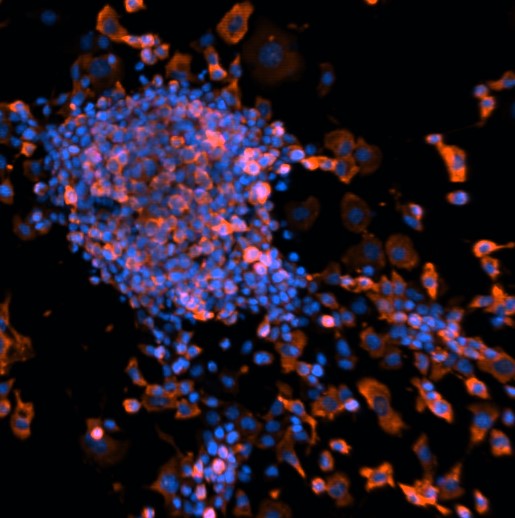
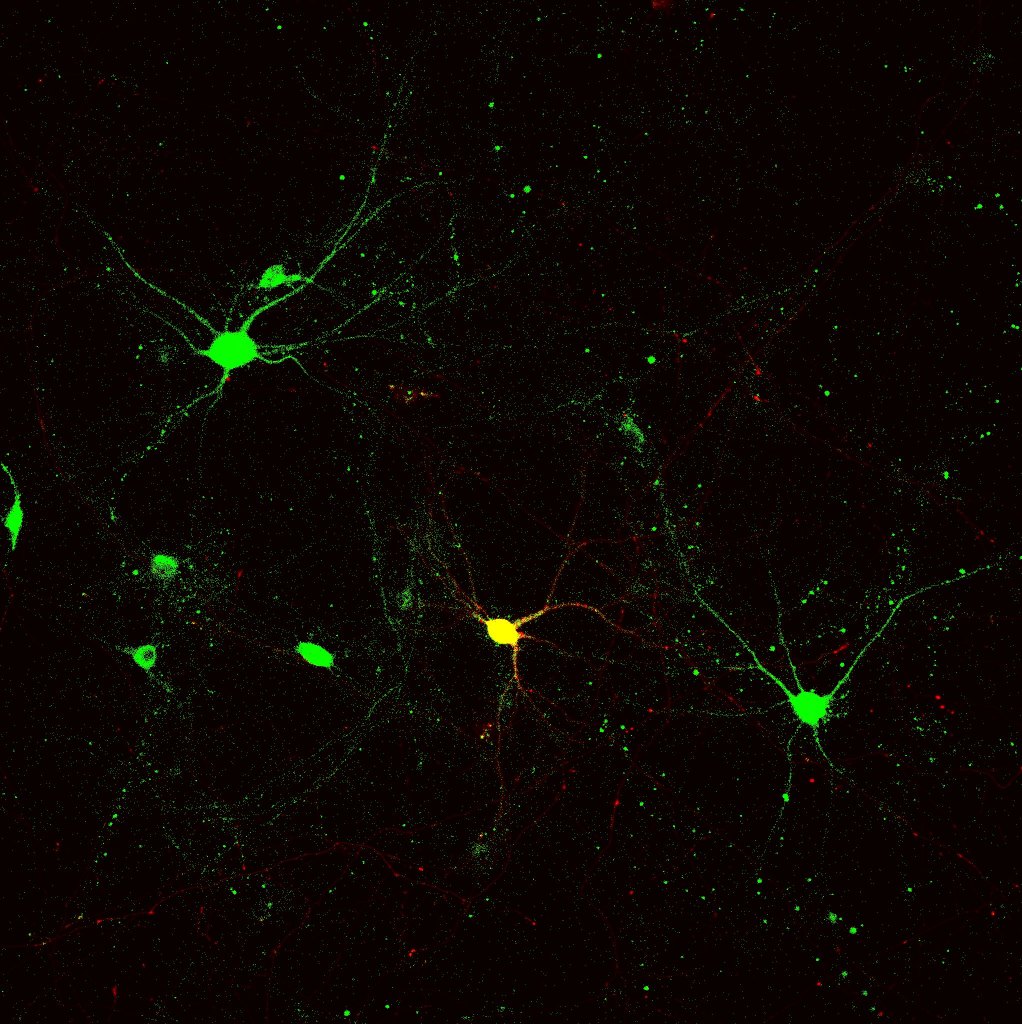
- Immunohistochemistry and immunocytochemistry
- PCR and qPCR
- CRISPR/Cas9 gene editing
- Co-immunoprecipitation
- Cell lines, primary cultures, iPSCs
- Live cell imaging including FRET assays, calcium imaging, and time-lapse imaging
- Multiwell multielectrode arrays
- Confocal microscopy
- In utero electroporation
- In vivo EEG recording, monitoring, and analysis
Select Publications
Iffland PH 2nd, Carson V, Bordey A, Crino PB. GATORopathies: The role of amino acid regulatory gene mutations in epilepsy and cortical malformations. Epilepsia. 2019; 2163-2173. Cover Article.
Iffland PH 2nd, Barnes, AE, Baybis M, Leventer R, Lockhart PJ, Crino PB. DEPDC5 and NPRL3 knockdown produces mTOR-dependent changes in cellular morphology and function. Neurol Biol of Dis. 2018; 114: 184-193
Iffland, PH 2nd, Barnes AE, Baybis M, Crino PB. Phosphorylation of 4E-BP1 is modulated by amino acids in neurons lacking Tsc2 but not Depdc5. Exp Neurol. 2020; 334:113432.
Iffland, PH 2nd, Barnes AE, Babus JK, Baybis M, Romanowski A, Poulopoulos A, Carson V, Crino PB. Nprl3: Direct Effects on Human Phenotypic Variability, mTOR signaling, subcellular mTOR localization, cortical lamination and seizure susceptibility. Brain. 2022.
A complete list of publication can be found here:
 Iffland Lab